
Australia, 26th Aug 2026 – Neuralia TMS, a respected provider of transcranial magnetic stimulation therapy, has confirmed that treatment for post-traumatic stress disorder forms an established part of clinical activity at its Moonee Ponds practice, where non-invasive neuromodulation is administered to patients referred with trauma-related symptoms. The clinic reports sustained enquiry levels from general practitioners, psychiatrists and patients seeking drug-free options, reflecting continued demand for structured treatment pathways beyond medication and psychological therapy alone.

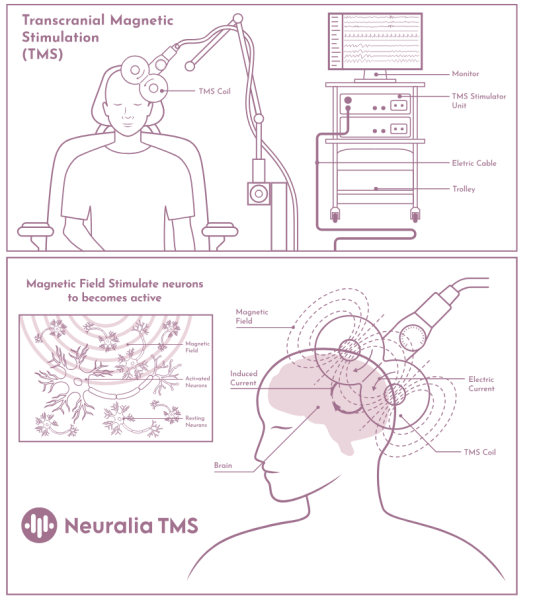
Transcranial magnetic stimulation uses magnetic fields, generated by a coil positioned against the scalp, to stimulate nerve cells in regions of the brain associated with mood regulation and threat response. The procedure is carried out while the patient remains awake and seated, without anaesthetic or sedation, and patients are generally able to resume ordinary activities, including driving, once a session concludes. Individual sessions run for a set period on consecutive weekdays across several weeks, with the precise protocol determined during clinical assessment rather than applied uniformly.
Post-traumatic stress disorder can develop following exposure to a traumatic event and is commonly associated with intrusive memories, avoidance behaviours, disturbed sleep, heightened alertness and changes in mood. In Australia, presentations frequently involve veterans, current and former emergency services personnel, survivors of accidents or assault, and people affected by prolonged interpersonal trauma. Clinical guidelines generally position trauma-focused psychological therapy as an initial step, with medication considered where symptoms persist. Neuromodulation is typically applied where symptoms have proved resistant to those approaches, or where prescribed medication has produced side effects that limit its continued use.
Patients attending the Moonee Ponds practice undergo an initial assessment covering diagnostic history, previous treatment, current medication and any contraindications to magnetic stimulation, including implanted metallic devices or a history of seizures. Treatment is not considered suitable for every presentation, and screening is completed before a course commences. Where treatment proceeds, coil positioning and stimulation parameters are set according to the presenting condition, and progress is reviewed at intervals throughout the course.
“Post-traumatic stress disorder often presents alongside depression and disrupted sleep, and a proportion of patients reach the clinic after several treatment approaches have already been trialled,” said Dr Shanek Wick, Medical Director of Neuralia TMS. “Magnetic stimulation provides a structured, non-invasive option in those circumstances, delivered on an outpatient basis and coordinated with the referring practitioner rather than replacing existing care.”
Alongside in-clinic stimulation, the practice provides transcranial direct current stimulation, a lower-intensity form of neuromodulation administered at home under clinical supervision. Pharmacogenetic testing is also available, examining how an individual metabolises particular medications. Results are used to inform prescribing decisions where medication forms part of a treatment plan and can assist in understanding a limited response or adverse reactions to previously prescribed drugs.
Treatment records are shared with referring practitioners where patient consent has been provided. Patients continuing psychological therapy are encouraged to maintain those appointments throughout a stimulation course. Appointment scheduling is arranged around the daily attendance requirements of each treatment course. Administrative staff coordinate referral paperwork and rebate enquiries, including Medicare arrangements for eligible presentations.

Awareness of neuromodulation among Australian referrers has grown over recent years, particularly in relation to conditions that respond incompletely to first-line management. Clinics offering the therapy have consequently reported broader referral patterns, extending beyond depression to trauma-related and anxiety-related presentations. Neuralia TMS maintains clinical documentation across its patient group to support that assessment process, and treatment decisions remain subject to individual review by the medical team.
“Demand for options outside medication is expected to continue as familiarity with neuromodulation increases among referring practitioners,” said Wick. “Clinical outcomes will be monitored across the patient group, and service capacity will be reviewed against referral volumes as those figures are assessed over the coming months.”
Neuralia TMS operates clinics providing transcranial magnetic stimulation therapy for conditions including depression, anxiety, post-traumatic stress disorder, obsessive compulsive disorder, chronic pain and Parkinson’s disease. Services also cover at-home transcranial direct current stimulation and pharmacogenetic testing, with clinical oversight provided by Dr Shanek Wick, Medical Director. Treatment for trauma-related presentations at the Moonee Ponds practice forms part of the clinic’s ongoing service, delivered in coordination with referring general practitioners, psychiatrists and allied health professionals.
For additional information about TMS for PTSD and related industry developments, contact Neuralia TMS. Enquiries regarding the clinic’s services, treatment programs, patient assessments and referral processes can be directed to 08 6230 3996 or emailed to info@neuralia.com.au.
Media Contact
Organization: Neuralia TMS
Contact Person: Dr Shanek Wick
Website: https://www.neuraliatms.com.au/
Email: Send Email
Contact Number: +61862303996
Country:Australia
Release id:48430
The post Neuralia TMS Delivers Magnetic Stimulation Therapy for Post-Traumatic Stress appeared first on King Newswire. This content is provided by a third-party source.. King Newswire makes no warranties or representations in connection with it. King Newswire is a press release distribution agency and does not endorse or verify the claims made in this release. If you have any complaints or copyright concerns related to this article, please contact the company listed in the ‘Media Contact’ section

Disclaimer: The views, suggestions, and opinions expressed here are the sole responsibility of the experts. No Finance Droid journalist was involved in the writing and production of this article.